13 Keys to Successful A/B Testing
Learn the 13 keys to creating successful A/B tests, how to strive towards an experimentation culture in your company, how it can benefit long-term growth.
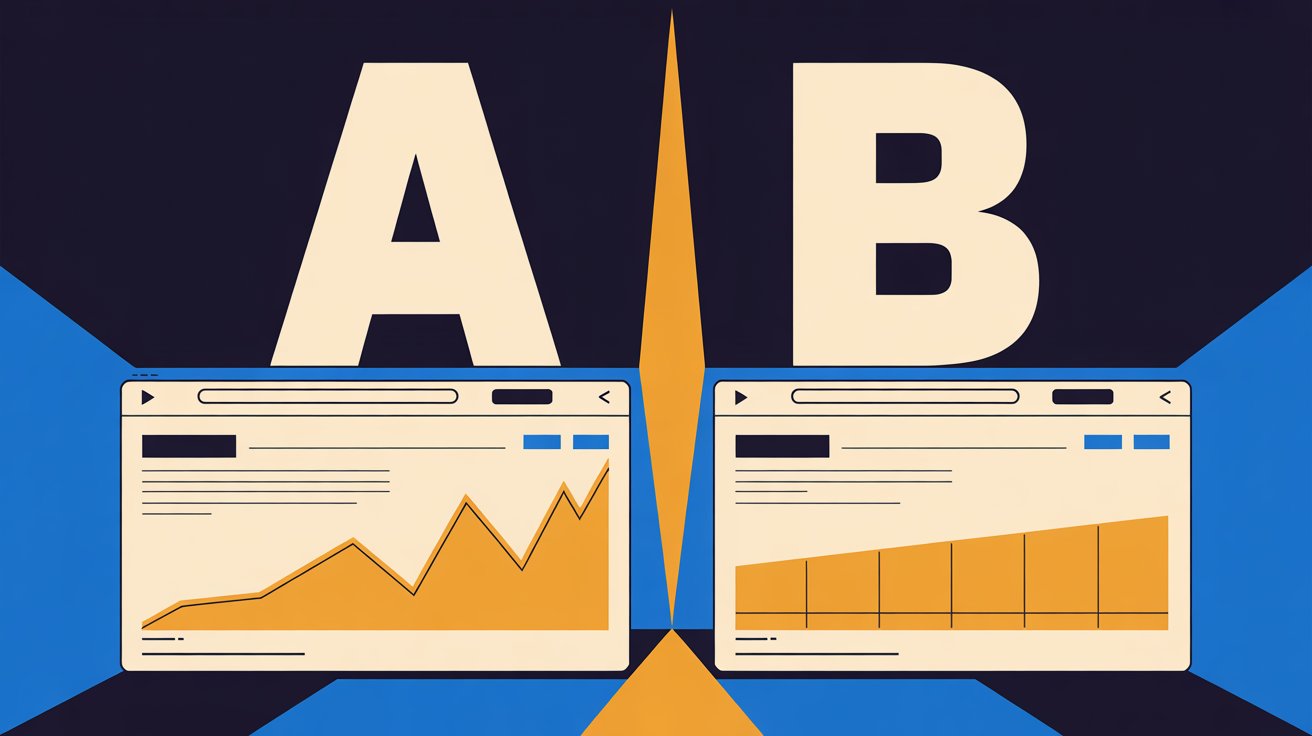
A/B testing, also known as split testing, is a method of comparing two versions of a web page to see which one performs better. By testing different versions of your web page, you can determine which design elements, copy, and call-to-actions convert visitors into leads or customers.
If you're hesitant about starting A/B testing or refocusing on improving customer experience before advertising, think about this one statistic. According to Forbes, Jeff Bezos invested 100x more into customer experience than advertising during the first year of Amazon. Considering Amazon is referenced in practically every article about superior customer experience, it becomes impossible to argue with his strategy.
Regardless of your industry, your business exists to create value for your customers whether it be in the form of a product, service, or content. Every customer interaction with your brand creates a measurable amount of data. But what are you doing with that data? Are you just sitting back and passively collecting it? The best companies aren't storing their data for later analysis, they actively generate valuable data and customer insights through experimentation. If you want to grow in your industry, then implementing efficient and consistent A/B testing is essential.
At ConversionFlow, structured A/B testing is the backbone of every client engagement. Across 230+ Shopify stores, the methodology in this post has produced an average 10.2% CVR lift and 18.3x ROI. The testing principles haven't changed since 2015 — but the tools and benchmarks have, and we've updated those below.
One great example of this is the Dermaclara homepage optimization case study, where structured testing helped drive significant revenue growth through smart changes to the layout and messaging.
The obvious benefit of A/B testing is to improve your company's value and increase revenue, but there are other benefits to creating an experimentation culture. When you have the ability to quickly run an effective A/B test, your company has more flexibility to test out new ideas and no longer needs to rely on anyone's "gut instinct". Remove all of the guesswork from your strategic decisions, and get actionable insights into what does, and doesn't, work.
In this blog post, we'll share thirteen keys to successful A/B testing. By following these best practices, you can maximize your chances of achieving significant results from your tests.
Define Your Objective
Before you begin designing your test, it's important to have a clear understanding of what you're trying to achieve. What is the primary goal of the page you're testing? Do you want to increase conversion rates, click-through rates, or time on-site? Once you've defined your objective, you can design your test around that goal.
Choose the Right KPI
A key performance indicator (KPI) is a metric that helps you measure progress toward your goal. When choosing a KPI for your test, be sure to select a metric that's directly related to your objective. For example, if you're trying to increase conversion rates, then your KPI should be conversion rate rather than time on site.
Select One Element to Test
It's important to only test one element at a time; otherwise, you won't be able to isolate the factor that caused any changes in your KPI. For example, if you're testing two different headlines, then keep everything else on the page the same. That way, if there's a change in your KPI, you'll know it was caused by the headline and not by some other element on the page.
Avoid "micro-tweaking"
Make sure your testing doesn't involve the use of trivial changes for the sake of testing. You want to focus on making the smallest changes with the biggest impact. If that's not an option, then sometimes you have to go big and bold like this furniture retailer case study that unlocked a 23% revenue boost from a major creative pivot.
Take into account seasonality
This one is pretty self-explanatory. Sometimes seasonality can play a big part in the success of a test for a variety of reasons. Save your old tests and re-run them at different times. The results will often surprise you.
Develop a highly targeted approach to customer experience pain points
When testing changes, make sure that you've identified the specific reason why you think it's affecting your KPI, and craft your hypothesis as to why this change should improve it. Make sure your addressing your customers' objections for why your goals aren't being reached, and provide the counter-objections in your test. The last thing you want is to run a test and have no clue why it was successful.
Create a Hypothesis
Before running your test, take some time to create a hypothesis about what you think will happen. This will help you interpret your results after the fact and determine whether or not your test was successful.
Set Up Your Test
Once you've designed your test and created a hypothesis, it's time to set up the actual test using an A/B testing tool. For enterprise-level testing with advanced targeting, VWO and Optimizely remain the most robust options. For Shopify stores looking for an accessible entry point, Convert and Intelligems are strong choices. Google Optimize has been sunset — if you were relying on it, now is the time to migrate. Be sure to select a tool that integrates with your website platform so that setting up the test is as easy as possible.
Run Your Test for Enough Time
In order for your results to be statistically significant, you need to run your test for at least two weeks. However, if you have a high volume of traffic, you may be able to get results more quickly.
Review Your Results
Once your test has been running for at least two weeks, it's time to analyze the results. Compare the performance of the two versions of your web page using the KPIs you selected earlier. If there's a significant difference between the two versions, then congrats - - you've found a winning combination! If not, then try tweaking your design and running another test. Remember, it's all about experimentation. The more tests you run, the more likely you are to find a winning combination.
Implement Your Results
Once you've found a winning combination, it's time to implement those results on your live site. Doing so will help ensure that more visitors take the desired action when they land on your page. And that's ultimately what A/B testing is all about!
Segment your data (i.e. personalization)
The results from every user who encountered the test may not tell you the whole story. Make sure you're segmenting your results based on customer demographic and behavior to see who responded positively and who didn't. It may be that certain age groups or geographic areas responded differently which opens up the opportunity for more personalization with your audience.
Learn from the losers
Not every idea and test is going to be a guaranteed winner. Your intended outcome may not have been achieved, but there may be other metrics that experienced a positive impact. Make sure understand what your losing tests are telling you about what your customers need.
Conclusion
A/B testing is an essential part of any digital marketing strategy. By following these best practices, businesses can maximize their chances of achieving significant results from their tests.
A/B Testing FAQs
What is the best A/B testing software?
For enterprise brands with complex testing needs and high traffic, VWO and Optimizely are the most capable platforms — they support multivariate testing, advanced audience segmentation, and server-side experiments. For Shopify merchants, Convert offers a strong balance of power and usability, while Intelligems is purpose-built for price and offer testing specifically on Shopify. If you're just starting out, most tools offer free trials — run one test with two or three platforms before committing. The best tool is the one your team will actually use consistently.
What is statistical significance?
Statistical significance is the point when the test has enough Power (i.e. traffic) to determine a final conclusion of the test with enough confidence (usually 95%) that if the test was repeated under the exact same conditions then the same result would occur (95 out of 100 times). For example, VWO says in order for a test to reach statistical significance in 2 weeks, they recommend each variation has at least 1500 visitors and 25 conversions each over that time period. If you have less traffic than that, then the test won't have enough Power to confidently determine a winner.
What if my site doesn't have enough traffic to reach statistical significance?
I'd say you can still run the test, but it may take much longer, and the results may not be as reliable. Instead, I would recommend starting with heatmaps, session recordings, and user testing to make improvements and test variations of your site. Apply the best feedback from those results, and start testing once your traffic has increased.
When should I stop testing?
Never, to stop is to die. Not really, but I think companies should breed a culture of experimentation. You shouldn't simply be testing just to test, but it can certainly help end disputes on creative and strategic direction. For example, marketing wants to test an edgy and provocative headline, but operations think it will alienate or offend key customers. No one wants to give an inch, so test it. Let the people decide.
Final Thought: A/B Testing Is a Discipline, Not a Feature
Running A/B tests is easy. Running A/B tests that produce compounding, reliable results is a discipline that most brands never fully develop. The thirteen keys in this post aren't a checklist to complete once — they're a standard to apply every time. At ConversionFlow, structured experimentation is the foundation of everything we do across 230+ Shopify stores, and the results speak for themselves: 10.2% average CVR lift, 18.3x ROI, guaranteed 10% improvement in 60 days. If you're ready to build a real testing program, Book a Free Conversion Strategy Session.
Frequently Asked Questions
Still have questions about A/B testing for ecommerce? Here's what we hear most.
About Author