5 Keys On How to Improve Your Landing Pages
Learn about the do’s and don’ts of creating a successful landing page to make sure your are converting traffic at the highest rate.
Landing pages are typically a single webpage or a standalone site page linked directly to a marketing campaign with the goal of lead conversion. Landing pages can be your most profitable weapon in an ad campaign. Increase your ROI (Return on Investment) and ROAS (Return on Ad Spend) without increasing ad spend by driving users to a specific page with one action in mind.
Landing page optimization is a must-have if you want to increase conversions. The average landing page conversion rate across all industries is just below 10%, yet landing pages remain the least popular type of sign-up form. In addition, only half of the companies that utilize a landing page have optimized it for conversions. Keep in mind, companies that utilize conversion rate optimization tools on their landing page see an average increase of 30% in their conversion rate.
A landing page is an essential part of any website. It serves as a hub for your visitors, allowing them to easily access the information they need and guiding them through the process of becoming a customer, subscriber, or donor. To make sure your landing page does its job effectively, you'll want to pay attention to five key elements: design, message, content, call-to-action (CTA), and optimization. Let's take a look at each of these in more detail.
Design
Design is one of the most critical aspects of your landing page. It should be visually appealing and easy to navigate, while still adhering to your overall brand identity. If you're working with a web designer or agency on this project, make sure to provide them with detailed feedback and style guidelines. That way you can ensure that the design meets your expectations and accurately reflects your brand.
Message
The message of your landing page should be clear and concise; there should be no confusion about why people are visiting this page or what action you want them to take after reading it. When crafting your message, ask yourself: What makes my product/service different? Why should someone visit this page instead of another? What value do I offer? Answering these questions will help you focus on the essential elements of your message and get visitors excited about what you have to offer.
Content
Once you've got the design and message nailed down, it's time to start adding content! Content is crucial for engaging visitors and getting them interested in what you have to offer. Make sure that all the content on your landing page is relevant, informative, and easy-to-read—no one likes slogging through long-winded paragraphs! You'll also want to include visuals such as photos or videos if possible; these can be great ways to draw people in and show off what makes your product/service unique.
Call-to-Action (CTA)
Every good landing page needs a strong call-to-action (CTA). This could be anything from signing asking for contact information, a phone number, or an email address or buying something from an online store; whatever action it is that you want visitors to take after reading your page should be clearly stated at the end! Your CTA should also link directly back to where users can complete their desired action—for example, if they're signing up for emails then there should be an email signup form on the same page so they don't have to click away from it first.
Optimization
Last but not least comes optimization—making sure that all the above elements are working together in harmony! This includes optimizing things like title tags, meta descriptions, URLs, loading times (the faster the better!), image file sizes (make sure they're small enough!), etc., so that everything looks good both on desktop and mobile devices. This step is often overlooked but it can make all the difference between a successful landing page and one that falls flat!
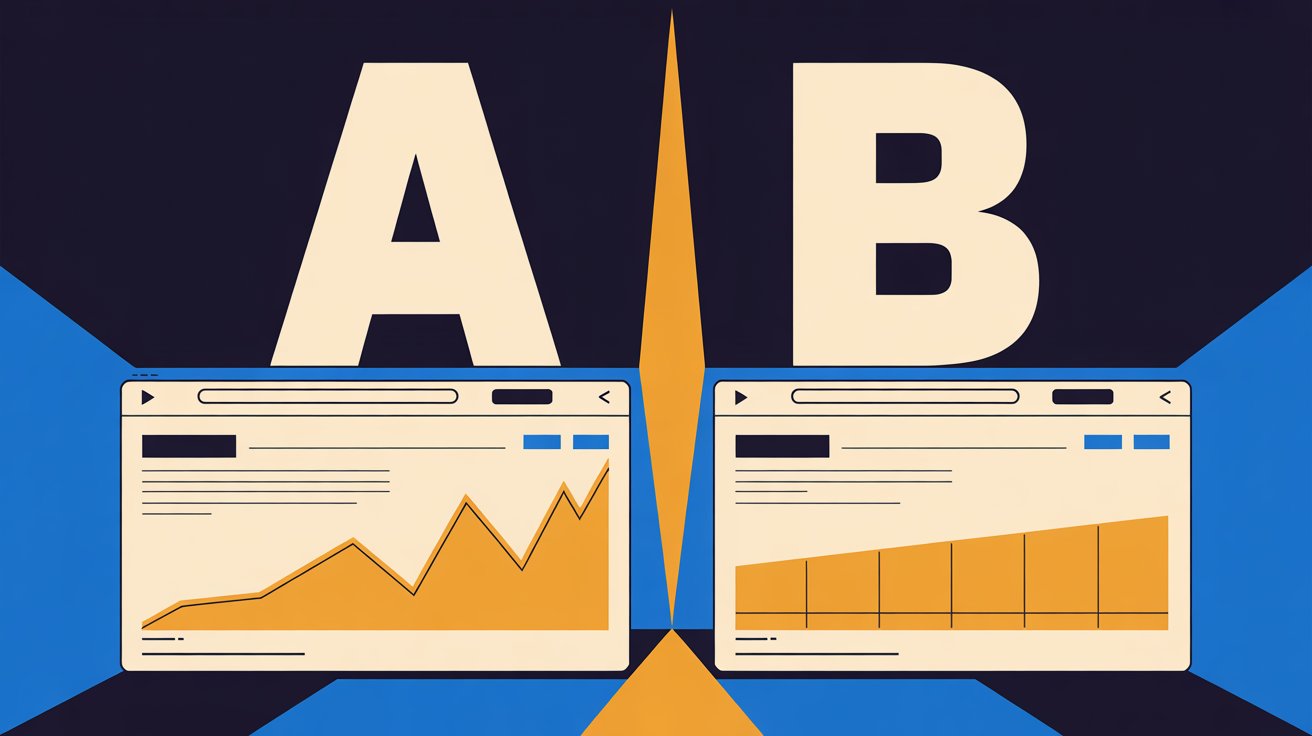
Tools that can show which copy users are engaging with the most (i.e. heat mapping) can be valuable for improving not only your copy but your layout as well. If your most important copy is being overlooked then heatmaps can help show you where the user's attention is drawn to the most. A/B testing is another must have tool to help optimize your landing page. Creating variations with minor or major changes can give you key insights into what your target audience is really looking for.
A well-crafted landing page can mean more leads for businesses large and small alike. When designing yours remember these five keys—designing with purposeful aesthetics; crafting an effective message; producing thoughtfully selected content; creating persuasive calls-to-action; optimizing every element—and success will surely follow! With just a bit of effort & attention paid towards making sure each element works together perfectly, businesses will see results reflected in their bottom line soon enough!
Frequently Asked Questions
Common questions about landing page optimization, the most important elements, and how to improve conversion rates.
About Author