The 4 Major Benefits of Conversion Rate Optimization
Learn why CRO is so much more than just gathering intelligence about your audience, and how it can put your business in a position for lasting success.
Conversion rate optimization (CRO) is a process that uses data-driven methods to increase the percentage of website visitors who take a desired action (i.e. increase the number of conversions). It's an invaluable tool for any business that wants to remain competitive in today's digital marketplace. Let's explore some of the key Conversion rate optimization benefits and how they can help your business thrive.
TL;DR: The four core benefits of CRO are: more revenue from existing traffic, better customer experiences that build loyalty, higher SEO rankings through improved engagement signals, and more efficient marketing spend (lower CAC, higher ROAS). Every one of these compounds over time. The math works at any traffic level.
#1 Increased Revenue
One of the most obvious CRO benefits is increased revenue. By using techniques such as A/B testing, you can figure out which elements on your website actually increase conversions and ensure they're optimized for maximum success. As your conversion rate increases, so does your bottom line. If you combine things like digital advertising, you can use conversion optimization to reduce those expenses while simultaneously increasing profit. It's a magical combination when done correctly.
Conversion rate optimization can be used to increase revenue from new customers and maximize revenue generated from existing customers. By evaluating performance data and customer behavior on your website, you can identify areas where changes will improve user experience and increase sales. A/B testing, for example, is used to compare different versions of a webpage (your control vs. your optimized page) to see which performs better. Then you can continue to adjust layouts and showcase important features more prominently, eliminate unnecessary components that take up valuable page real estate, etc. Ultimately, when implemented well, conversion rate optimization can help businesses realize their full profitability potential by converting visitors into paying customers.
#2 Improved Customer Experiences
It's important to remember that CRO isn't just about increasing sales; it's also about improving customer experiences. By focusing on creating better user experiences through well-crafted website designs, comprehensive content strategies, and easy navigation tools, you ensure that customers have a positive experience when interacting with your brand online. It leads to higher conversion rates, improved loyalty, customer lifetime value, and satisfaction over time.
E-commerce sites are losing an average of $29 on new customers' first purchases. Having a strategy that ensures your website, visitors come back for repeat purchases is essential in any economic climate.
If your website isn't intuitive, easy to use, and building loyalty, then you don't have a sustainable strategy for longevity. The customer's journey from start to finish needs to give them exactly what they are looking for while meeting all their expectations. A CRO Agency has the perfect strategy for ensuring you deliver all of this to your customers. And I want to make one last important comment here before I move to #3. One of the biggest mistakes we see is an overconfident business owner, marketing exec, web designer, UX designer, etc., who thinks they know what the customer wants and how that translates into an online process. They spend a lot of time and research putting together personas, wireframes, designs, etc., which is all incredibly valuable and extremely important. Still, it simply does not translate into the purchasing process. And not just the "purchasing process," the unique process for your business and your product or service.
#3 Higher SEO Rankings
Another benefit of CRO is improved SEO rankings. Google rewards websites for providing users with a great online experience by boosting them in search engine results and page (SERPs). CRO tactics like targeted content strategies improve both the quality and quantity of traffic coming from organic search results. This can lead to higher rankings in SERPs over time. This benefit ties back to #2, which is improved customer experience. Improved customer experience means more time on site and more site interaction which Google LOVES, and rewards handsomely with SEO results.
Conversion rate optimization (CRO) is an incredibly important component of a successful SEO strategy. By utilizing detailed analytics and user feedback, CRO can help to identify weak spots in your website's design that impede users from achieving the desired outcome. By addressing these issues, you encourage visitors to complete a transaction or perform an action such as signing up for a newsletter. This, in turn, results in improved keyword rankings due to increased engagement signals sent to search engines. Additionally, focusing on user experience through CRO also improves the number of organic links pointing to your website—which further contributes towards better rankings. Put simply, conversion rate optimization is essential if you wish to optimize your SEO and achieve better online visibility.
#4 More Efficient Marketing Campaigns (Higher ROAS)
With rising customer acquisition costs, companies must find a way to make their marketing dollars go further. The beauty of CRO is that optimizing your website to convert a higher percentage of visitors means your customer acquisition costs also go down. If your conversion rate doubles, then so does your return on ad spend. CRO is a great way for companies to save money on advertising during tough times in particular or improve their marketing efficiency and exceed the growth of their competitors to capture more market share.
Conclusion
In conclusion, I’ve covered the four main benefits of Conversion Rate Optimization. Still, honestly, there are numerous benefits associated with implementing a successful CRO strategy and improving conversion rates for your website. From increased revenue and improved customer experiences to better SEO rankings, and more efficient marketing campaigns, investing in conversion rate optimization is an important step toward ensuring long-term success in today's competitive digital marketplace.
FAQs
How do you actually start improving conversion rate optimization?
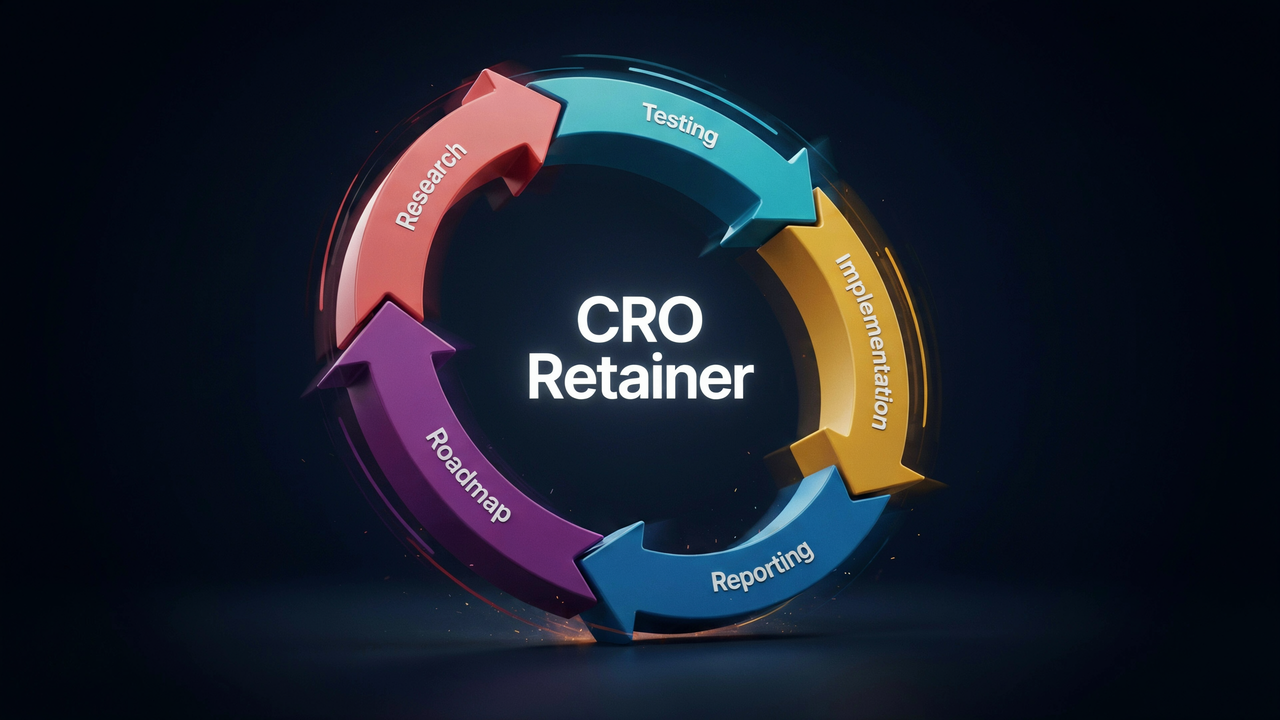
Don't start with changes — start with a diagnosis. Use GA4 to identify where your biggest funnel drop-offs are occurring, then layer in session recordings and heatmaps to understand why. From there, form a testable hypothesis and run an A/B test before committing to any permanent change. The brands that improve conversion rates fastest are the ones that make a habit of this cycle — diagnose, hypothesize, test, implement — rather than making gut-feel changes to their site.
Want a custom CRO roadmap tailored to your website? Schedule a free Conversion Strategy Session with our team.
Frequently Asked Questions
Common questions about the four key benefits of CRO, how long results take, and how it differs from a website redesign.
About Author