How to Build a Full Funnel CRO Strategy That Scales
A full-funnel CRO strategy connects every stage of your customer journey into a single, compounding system. This guide walks through the 7-step framework ConversionFlow uses to build CRO programs that scale.
TL;DR: A full-funnel CRO strategy connects every stage of your customer journey into a single, compounding system. This guide walks through the 7-step framework ConversionFlow uses to build CRO programs that scale.
Most ecommerce CRO programs are just a list of tests. There's no map, no system, no connection between one experiment and the next. That's not a strategy. It's a to-do list.
You run a test on the checkout button. It wins. You celebrate, ship it, and move on to a product page headline. That test has nothing to do with what you just learned. Six months pass. You've run twenty tests, shipped eight winners, and your overall conversion rate has barely moved. Sound familiar?
Here's the problem: isolated wins don't compound. A test that lifts checkout completion by 4% in a vacuum can still leave a massive amount of money on the table if the real friction is three stages upstream. You fixed the symptom and ignored the disease.
Full-funnel CRO treats the customer journey as a system. Every stage is connected. Every test builds on the last. In our experience at ConversionFlow, the brands that grow fastest through CRO aren't the ones running the most tests. They're the ones with the clearest map of their funnel and the discipline to follow it.
What "Full Funnel" Actually Means (And Why Most Brands Only Optimize Half of It)
Full funnel means exactly what it sounds like: every stage of the customer journey, from the first ad impression to the second and third purchase. Not just the checkout page.
The most common mistake in ecommerce CRO is treating checkout as the only place that matters. It's understandable. Checkout is the closest thing to money. But checkout abandonment is almost always a symptom of problems upstream. Poor product page clarity. Weak value proposition. No trust signals early in the journey. By the time someone drops off at checkout, you've already lost them three steps back.
The full funnel for ecommerce looks like this: Awareness (ads, SEO, social) then Landing Page or Homepage then Collection or Category Pages then Product Detail Page (PDP) then Cart then Checkout then Post-Purchase. Each stage has its own conversion metric. Each stage has its own failure mode. A full-funnel strategy defines both.
Every ConversionFlow engagement starts with a full-funnel audit before a single test is run. Because you can't prioritize intelligently without seeing the whole picture first.
1. Map the Full Funnel (Before You Optimize Anything)
Before you test anything, you need to know where the leaks actually are.
Map every touchpoint from first click to repeat purchase: ad then landing page then homepage then collection page then PDP then cart then checkout then order confirmation then post-purchase email sequence then repeat visit. For each stage, identify three things: the primary conversion action, the drop-off rate, and the most common exit point.
This is the step most brands skip because it feels like planning rather than "doing CRO." It's actually the highest-leverage hour you'll spend on your entire program. An hour of mapping saves months of misdirected testing.
When ConversionFlow engaged with Lifepro Fitness, the funnel audit revealed that their drop-off was concentrated on the PDP, not at checkout as their team had assumed. By fixing the right stage, specifically PDP clarity, social proof placement, and site speed, the result was a 14% conversion lift and $1.35M in annualized revenue. Without the map, they would have spent months optimizing checkout while the real leak went completely unaddressed.
Where the problem is matters more than how you solve it.
2. Define the Right Metric at Each Stage (Because Averages Lie)
"Conversion rate" is not a strategy. Every stage of your funnel needs its own success metric.
At the top of the funnel, you're tracking engagement rate, bounce rate on landing pages, and time on site for first-time visitors. Mid-funnel: add-to-cart rate, collection page click-through rate, and PDP scroll depth. At the bottom: checkout initiation rate, checkout completion rate, and revenue per session. Post-purchase: repeat purchase rate, email open rates on post-purchase flows, and LTV at 90 days.
The metric that ties it all together is profit per visitor. Conversion rate alone misses average order value and margin. Profit per visitor captures all three. It's the number that tells you whether your CRO program is actually making the business more money, not just moving traffic more efficiently through a broken funnel.
Vanity metrics kill CRO programs. If your weekly reporting leads with "sessions" and "impressions," you're not measuring conversion. You're measuring activity.
3. Pair Quantitative and Qualitative Research (Because Numbers Don't Have Feelings)
Analytics tell you what is happening. Customers tell you why. You need both.
Quantitative data includes GA4 or Shopify Analytics for funnel drop-off, heatmaps and session recordings for on-page behavior patterns, and A/B test result histories. Qualitative data includes post-purchase surveys, on-site exit surveys, customer support transcript reviews, and session recordings paired with user commentary. Neither layer alone is enough.
Fixing a checkout drop-off without knowing why people are dropping off is guesswork dressed up as optimization. You might ship five changes before accidentally landing on the real issue.
Here's how powerful the qualitative layer can be: with Figgy, analytics showed strong homepage traffic but consistently weak PDP-to-cart conversion. The numbers couldn't explain it. Post-purchase surveys revealed that customers didn't recognize the product category language. The site called them "Add-Ons." Customers called them "Expansion Packs." A single language change driven by qualitative research produced a 33% conversion boost. No redesign. No infrastructure work. Just listening.
Voice-of-customer research is the qualitative layer most brands underinvest in.
4. Build a Prioritized Testing Roadmap (Not a Random Backlog)
The output of your research phase is not a list of things to try. It's a prioritized list of hypotheses with evidence behind each one.
Every hypothesis should follow this format: "We believe [change] will [outcome] because [evidence]." If you can't finish that sentence with real evidence, you're not ready to run the test. No evidence means no test.
Prioritize your hypothesis list using the ICE framework: Impact (how large is the potential lift?), Confidence (how strong is the supporting evidence?), Ease (how quickly can you run this test?). Score each dimension from 1 to 10 and multiply for a priority score. The test at the top of your list runs first.
Your roadmap should connect tests to quarterly revenue goals, not to "we haven't tested that element in a while." That's how you end up with a random backlog again.
ConversionFlow builds a 90-day testing roadmap at the start of every engagement. Tests in month three are directly informed by what we learned in months one and two. That compounding is why retainers outperform one-off projects.
5. Test Systematically (One Variable, One Learning)
Every test you run should be designed to produce a learnable result, whether it wins or loses.
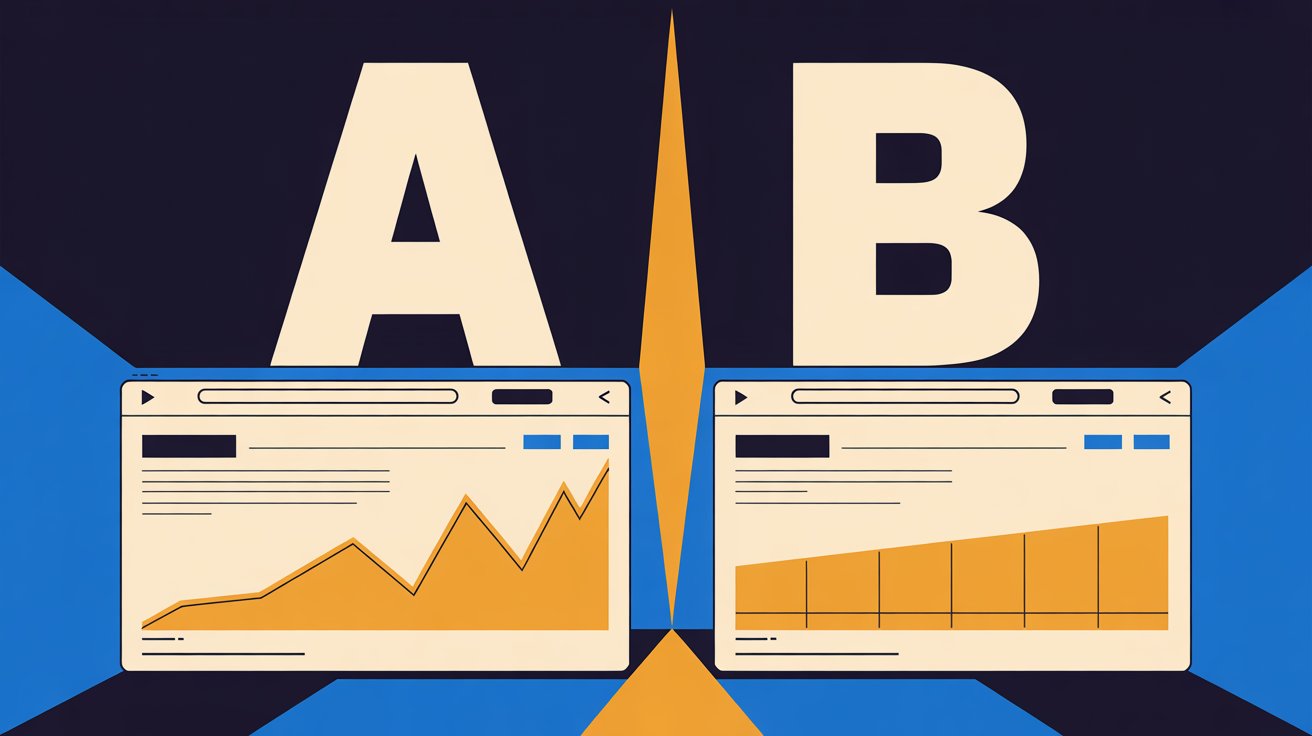
The mechanics matter: one variable changed at a time, a clean control, and a minimum of 95% statistical significance before you call a winner. Running tests to a lower confidence threshold is how you ship false wins and corrupt your learning library.
Always segment your results. A test that "wins" on aggregate may lose on mobile or for first-time visitors. Average results hide the patterns that actually move the business. A test that lifts revenue per session for returning desktop users while hurting mobile first-visit conversion is not a win. It's a trade-off you need to understand.
Document everything: the hypothesis, the result, the segment breakdown, and the implication for future tests. That documentation becomes a learning library, and the learning library becomes a competitive moat.
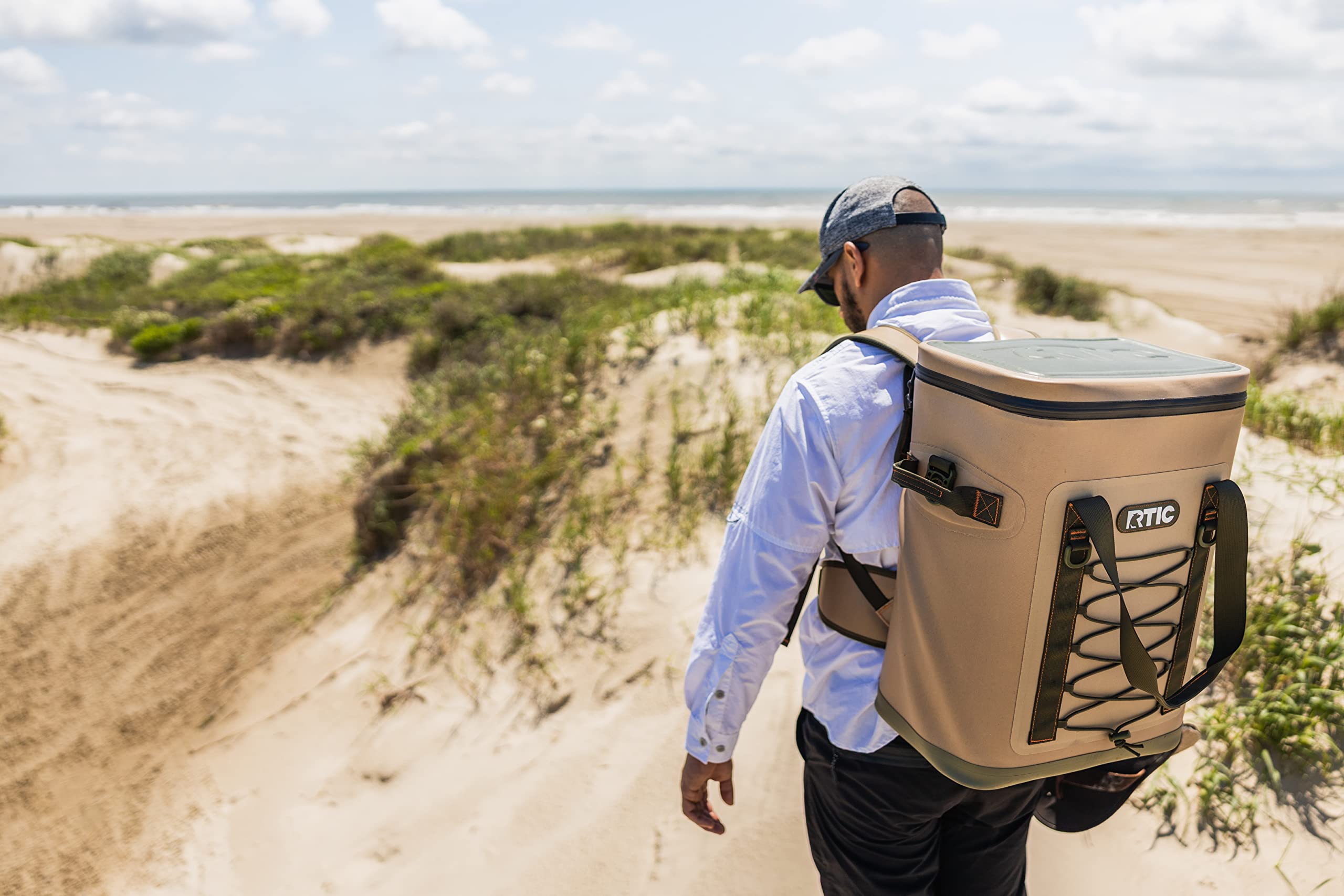
RTIC Outdoors is a good example. A ConversionFlow test on product carousel image sequencing changed which images appeared first based on behavioral data from session recordings showing exactly where users stopped scrolling. That test wasn't a design preference. It was a hypothesis grounded in evidence. The result: $1M+ in projected annualized revenue from a single image order change.
The test log is how the next test gets sharper than the last one.
6. Integrate CRO With Growth Planning (Not in a Silo)
A CRO program that lives in its own lane will produce incremental wins. A CRO program that connects to the rest of the business produces structural growth. That's a different category of outcome.
When marketing launches a new campaign, CRO should ensure the landing page message matches the ad, the page loads fast enough not to bleed paid traffic, and there's a clear conversion path from first impression to sale. When product ships a new feature, CRO tests the adoption flow and surfaces friction before it becomes a churn signal. When finance needs margin improvement, CRO can increase average order value through smarter bundling and reduce discount dependency by improving full-price conversion.
These are not CRO projects. They're CRO contributions to business decisions that are already happening. The difference is whether CRO has a seat at the planning table or gets brought in after everything is already built.
A siloed CRO program produces wins. An integrated one produces compounding.
7. Keep the Loop Running (Optimization Is Never Done)
The most common CRO mistake is treating optimization as a project with a finish line.
Customer behavior changes. Competitors shift. Traffic sources evolve. What converts today may not convert in six months. New product launches introduce new friction. New audiences bring new objections. The funnel that worked in Q1 is a different funnel by Q3.
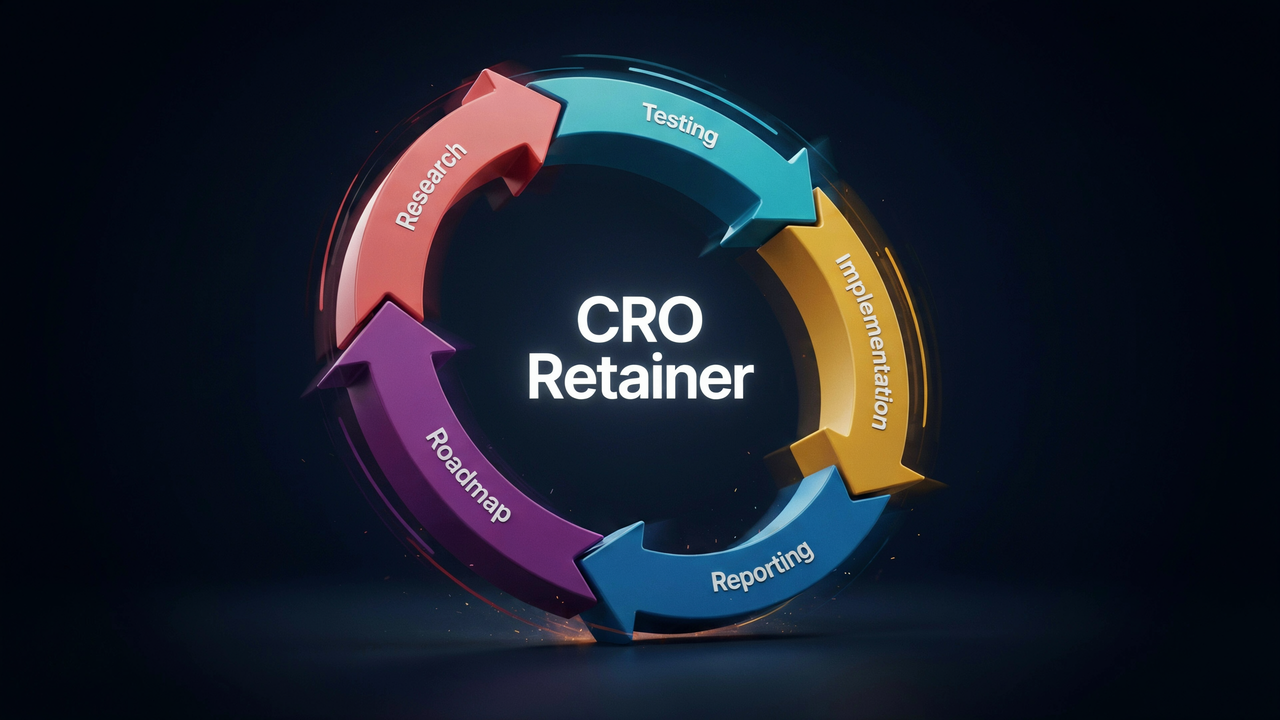
The answer is a continuous loop: research then hypothesize then test then learn then research again. Always have a test running. Always be collecting qualitative data. Always be updating the hypothesis backlog based on what you're learning. The loop doesn't stop. It gets faster.
ConversionFlow's average ROI across clients is 18.3x. That number doesn't come from a single winning test. It comes from 6 to 12 months of compounding optimization across the full funnel, an average CVR lift of 10.2%, and an average AOV increase of 21.2%. The clients who see those results aren't the ones who ran one sprint and checked the box. They're the ones who built a system and kept it running.
The goal isn't to finish CRO. The goal is to make your CRO program smarter every month than it was the month before.
Final Thought: A System Beats a Shortcut Every Time
Random tests produce random results. A full-funnel system produces compound growth.
The brands that dominate their categories through CRO aren't the ones that ran the most tests. They're the ones that built the best map, followed it with discipline, and never stopped learning. They know where the friction is, why it exists, and how to address it in a sequence that builds on itself.
Ready to build a CRO program that compounds? Book a Free Conversion Strategy Session.
Frequently Asked Questions
Questions about building a full-funnel CRO strategy? Here's what we hear most.
About Author
.avif)