The 5 Biggest Conversion Optimization Mistakes Founders Make
Most founders hurt their own growth by repeating the same CRO mistakes. Fix these five and you will see results fast.
TL;DR: Most founders hurt their own growth by repeating the same CRO mistakes. Fix these five and you will see results fast.
Conversion rate optimization looks simple on paper: Get more people who visit your site to take action. But most founders approach it with good intentions and bad habits. Instead of creating a smooth path for customers, they throw up invisible walls.
The good news is that these errors are fixable. The only bad news: how long you wait until you correct course. Below are the five biggest mistakes founders make when trying to optimize conversions and how to avoid them.
1. Focusing on Traffic Before Fixing Conversions
The most common error is assuming growth comes from buying more ads, driving more impressions, or investing heavily in SEO before the funnel is fixed. If your site converts poorly, more traffic just pours into a leaky bucket. A founder who spends thousands on campaigns without resolving friction points will waste budget and burn energy. The smarter path is to optimize conversions first. Make sure your existing traffic converts at a healthy rate before you scale acquisition.
2. Confusing “Pretty” With “Effective”
Founders often fall in love with design polish. Sleek graphics, trendy animations, and clever headlines can look impressive but often distract from the basics. Conversion comes from clarity, not cleverness. If customers cannot instantly understand what you sell and why it matters, the prettiest homepage in the world will not help. Effective design is about guiding attention to key actions, reducing distractions, and reinforcing trust. A simple site that communicates clearly will usually outperform a beautiful but confusing one.
3. Skipping Real Customer Feedback
Too many founders assume they know what their audience wants. They guess at copy, features, or offers without ever asking actual customers. This leads to mismatched messaging and wasted development cycles. The antidote is voice of the customer research: interviews, surveys, reviews, and support tickets. Customers will tell you exactly what is missing or broken if you are willing to listen. Ignoring direct feedback is like trying to solve a puzzle with half the pieces hidden.
4. Testing Without a Framework
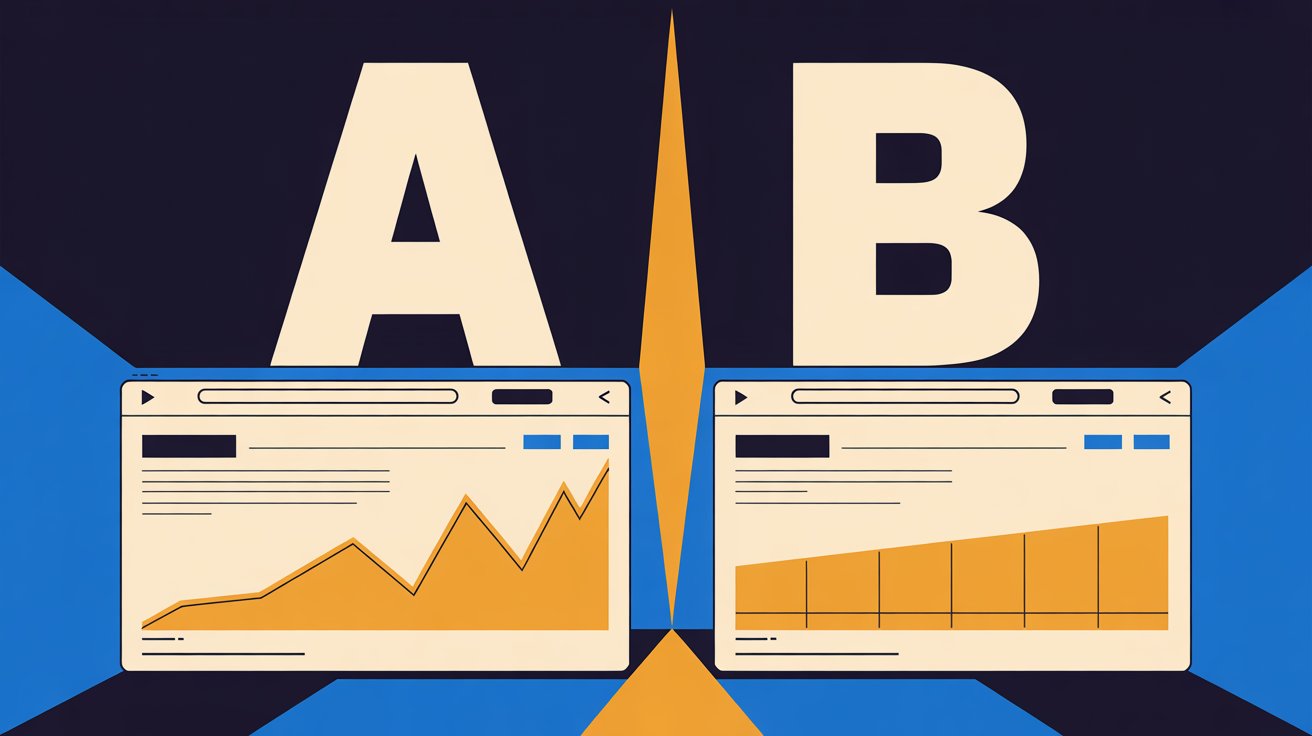
Experimentation is critical, but testing without a plan creates noise instead of insights. Some founders change button colors one week, headlines the next, and prices the week after without tracking impact. They chase random tweaks rather than systematic learning. A disciplined framework means setting a clear hypothesis, running one test at a time, measuring results accurately, and documenting takeaways. Testing should build knowledge step by step. Without structure, it becomes a guessing game that wastes time and traffic.
5. Treating CRO as a One Time Project
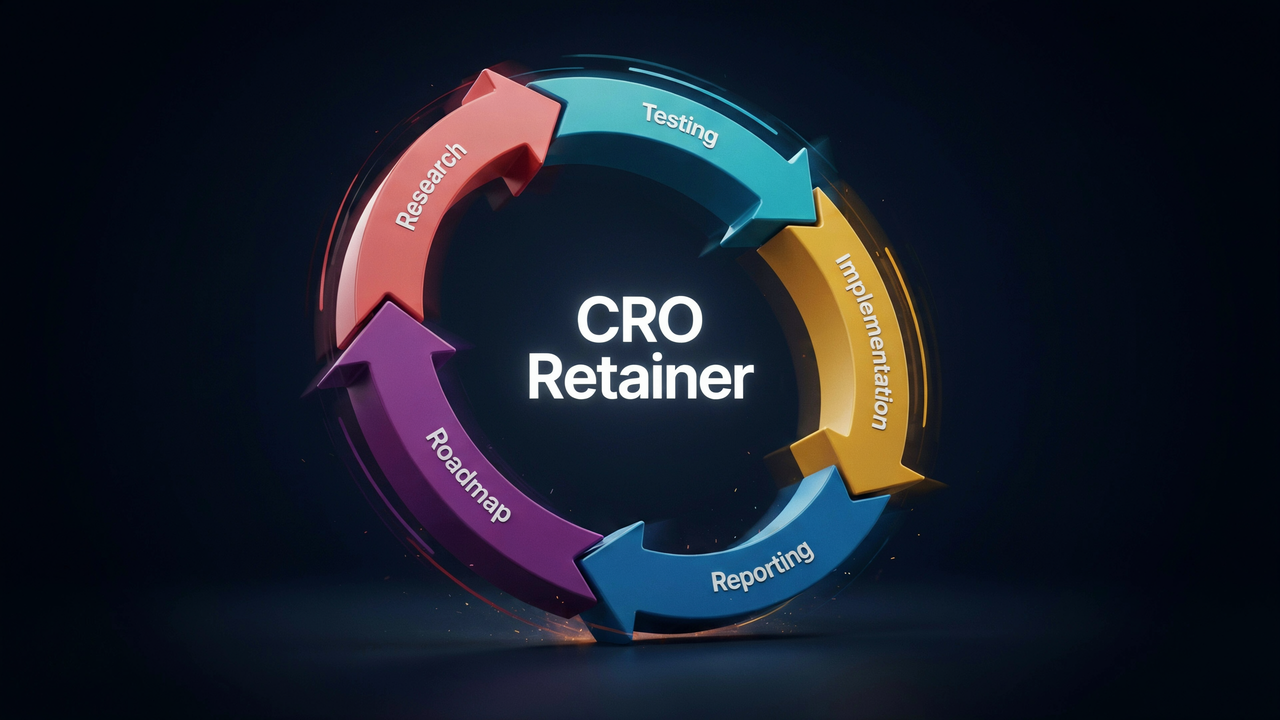
The final mistake is thinking conversion optimization is something you “finish.” Founders run a redesign, run a few tests, declare victory, and move on. But customer expectations, competitor strategies, and market conditions are always shifting. What works today may fail tomorrow. CRO is a process, not a project. The best companies treat it as ongoing practice, always testing, learning, and improving. When you stop optimizing, you start falling behind.
Final Thought: Avoid Mistakes, Unlock Growth
Conversion optimization is not about tricks or hacks. It is about avoiding the common traps that keep founders spinning their wheels. Focus on fixing your funnel before scaling traffic. Choose clarity over polish. Listen to real customers. Test with discipline. Treat optimization as ongoing. Do these consistently and you will avoid the most damaging mistakes and unlock compounding growth.
Answers to Frequently Asked Questions
Most founders hurt their own growth by repeating the same CRO mistakes. Fix these five and you will see results fast.
About Author
.avif)